How Long a Furnace Typically Lasts in Residential Homes
Living in Birmingham, AL means you experience winters with fluctuating temperatures and occasional cold snaps. The changing conditions can put extra strain on your heating system, making regular maintenance very important for getting the most out of your unit. This guide walks you through how long you can expect your furnace to last in Birmingham and how to help it operate efficiently and reliably for as long as possible.
How Long Does a Furnace Last in a Birmingham Home?
The lifespan of your heater greatly depends on three main factors: your usage patterns, its fuel type, and how often you have the unit professionally serviced. The good news is that Birmingham sits in a part of the country that usually experiences mild winters with brief periods of cold weather. Because of this, heaters here tend to last a bit longer than systems in the colder northern parts of the country.
Gas Furnaces
Gas heaters are well known for their quick, efficient heating. They normally last about 15 to 20 years in Birmingham as long as they receive regular filter changes and annual professional tune-ups.
Electric Furnaces
Electric heaters are very popular in homes that don’t have gas connections, which applies to many neighborhoods in Birmingham. These systems have fewer parts than gas heaters and don’t rely on any type of combustion, meaning they experience less wear and tear as they operate. Due to this, many electric heaters will last up to 25 years with regular care and maintenance.
Biggest Factors That Impact the Lifespan of Your Heater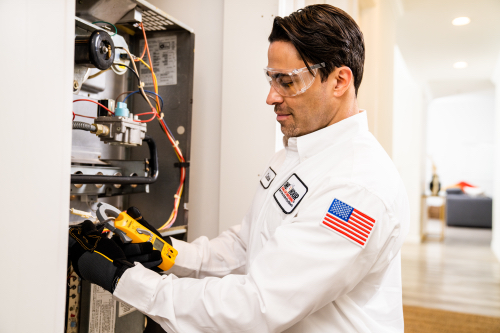
There are numerous factors that influence how long your heater lasts. By understanding these elements, it becomes much easier to take proactive steps to help the heater not only last longer but also perform better.
Installation Quality
How your heater gets installed plays a big role in how long the equipment lasts. It must have proper airflow, tightly sealed ductwork, and adequate ventilation to function efficiently. A single vent installed incorrectly can lead to airflow blockages that cause overheating and extreme strain on the blower and heat exchanger.
That’s why it’s so important to have the system installed professionally by a team of technicians with a strong reputation for quality workmanship. And that’s exactly what you get when you hire Birmingham One Hour.
Size of the Furnace
Smaller systems don’t have longer or shorter lifespans than larger systems. Both can last up to 15 years or longer, as long as they are properly sized for the homes they are installed in. This is yet another reason that professional installation is critical to making sure the heater lasts as long as possible.
A heater that is too big for a home will constantly short-cycle as it heats the space too quickly; this puts extra strain on the components and leads to premature repairs and replacements. The same happens with a heater that is too small for a home, but for a different reason: it runs continuously, which causes excessive wear and tear.
Thermostat Settings
Heaters come with recommended temperature settings to help their parts function efficiently and with minimal wear. Constantly going outside of these settings can cause excessive run cycles as well as short cycling. Both of these issues put unnecessary wear and tear on the system, shortening its lifespan.
One of the best ways to avoid thermostat problems that contribute to these problems is to upgrade your home with a smart thermostat. This type uses sensors and algorithms to learn your preferences and make automatic adjustments that stay within recommended ranges while still meeting your comfort needs.
Maintenance Frequency
The technician will perform a variety of tasks during a tune-up that help the furnace last longer:
- Inspect components
- Clean internal parts
- Lubricate moving parts
- Test safety controls
- Check electrical connections
- Measure system airflow
- Verify system operation
- Identify early wear
Systems that receive annual maintenance are much more likely to last longer than units that skip regular tune-ups.
DIY Filter Changes
How often you keep the air filter changed has a significant impact on the lifespan of the heater. A technician may change the filter during maintenance, but you must continue to change it as needed throughout winter. Most heaters need filter changes once every four to six weeks to keep the system running with optimal energy performance.
Local Climate Demands
Even though winters are usually mild in Birmingham, the weather can sometimes be unpredictable. During unexpected cold spells, you may find the furnace constantly running to keep up with your increased heating demands.
This extra strain puts added wear on the equipment, shortening how long it lasts before needing a replacement. This is another reason to upgrade the home with a smart thermostat that offers adaptive temperature control. It will respond in real time to changing weather conditions, leading to greater efficiency and a longer-lasting heater.
Airflow and Duct Condition
The condition of your ductwork and vents has a great influence on the heater’s lifespan and functionality. Leaky ductwork lets air escape into places where it doesn’t belong. It also prevents heated air from getting to where it’s supposed to go.
Damaged ductwork can even result in restricted airflow that causes pressure imbalances. All of these problems shorten the heater’s lifespan because it has to work harder to maintain indoor comfort. During maintenance visits, the worker can tell you whether or not to book a duct cleaning session.
Schedule Professional Heating Solutions in Birmingham Today!
The best way to help your heater last as long as possible is to have it installed professionally, change the filter regularly, and book annual maintenance. Call Birmingham One Hour today to schedule expert heating service in Birmingham. We’re on time, or you don’t pay a dime!